NBA Quarter and Half-Time Betting: Targeting Specific Periods
 Available in US
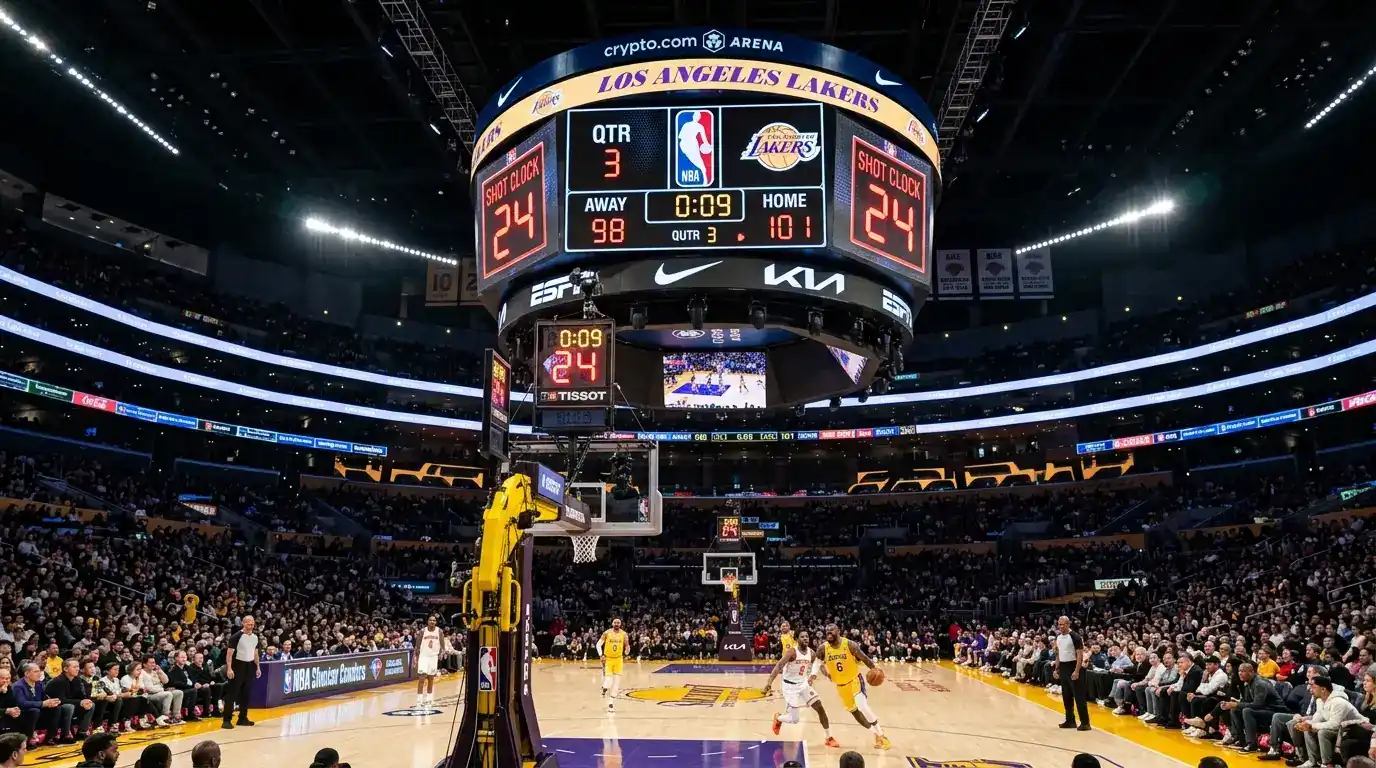
I stumbled into quarter betting almost by accident. A few seasons ago, I noticed that certain teams consistently started games poorly — falling behind in the first quarter — only to rally after halftime. The full-game spread might have been accurate, but the first-quarter line was mispriced because the bookmaker was treating all four quarters as interchangeable. They’re not. Each 12-minute period of an NBA game carries its own tempo, intensity, and statistical fingerprint, and understanding those differences creates betting angles that full-game markets cannot offer.
See also: nba betting online for all NBA timing markets.
Quarter-by-Quarter Markets and How They Differ
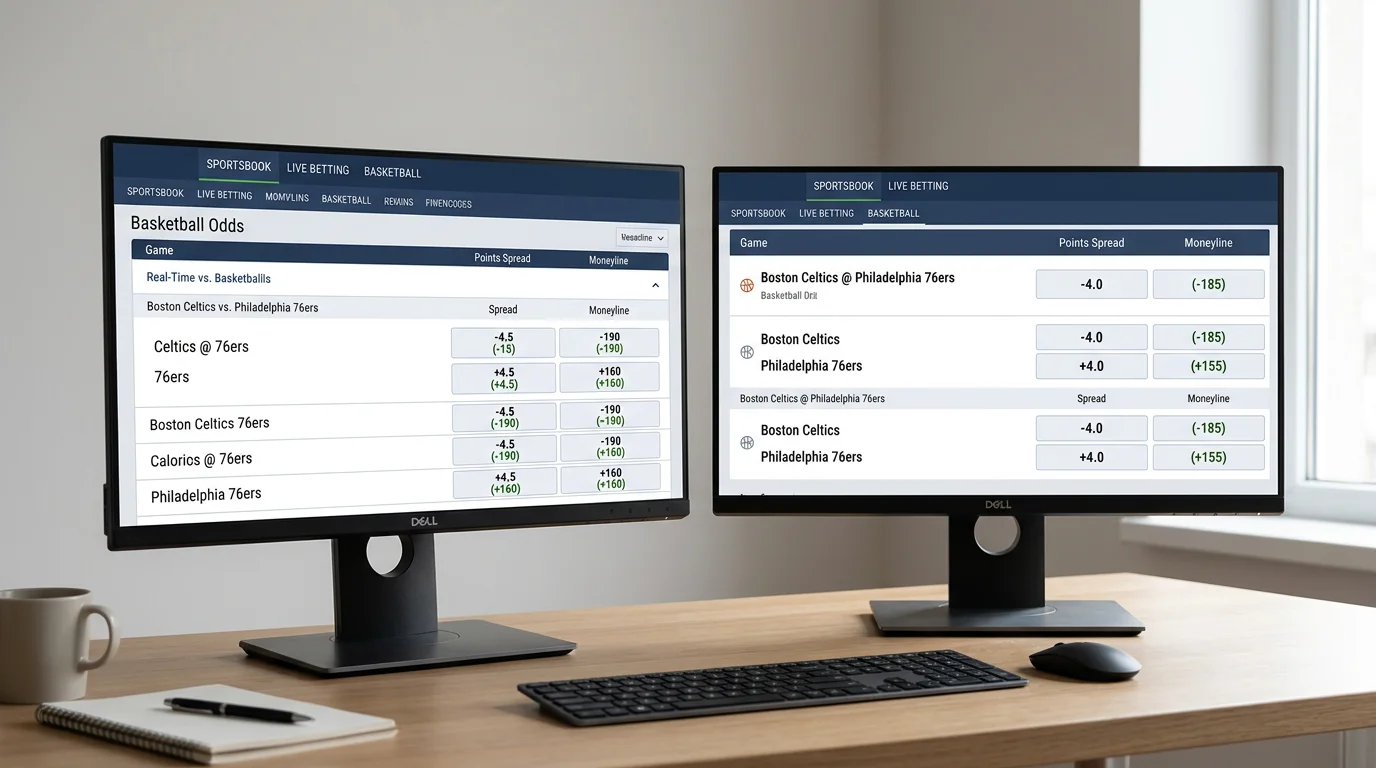
Most UK sportsbooks list quarter-specific moneylines, spreads, and totals for every NBA game. First-quarter markets are the most liquid and the most popular — they’re settled quickly, giving punters an early result without waiting for the full 48 minutes. Second-quarter markets exist but draw thinner action. Third and fourth-quarter markets are offered less consistently and tend to appear only at operators with deeper NBA coverage.
First-half and second-half markets bundle two quarters together. The first-half spread and total behave similarly to the full-game equivalents but with higher variance because the sample is only 24 minutes of play. That variance is precisely why these markets can offer value — the bookmaker’s models have less data to calibrate against for a half than for a full game, and their margins are sometimes wider to compensate, which means the prices they set are less precise.
Each market settles independently. A first-quarter over/under is based solely on the combined score after the first 12 minutes. If the game total is 215.5 and the first-quarter total is 55.5, these are separate bets with separate outcomes. Overtime does not affect quarter or half-time bets — they’re settled on regulation-time scores for the relevant period.
Shooting Efficiency Trends Across Quarters
This is where the data gets genuinely interesting, and it’s the foundation of my quarter-betting approach. Research by García et al. measured shooting efficiency across all four quarters and found a decline with an effect size of -1.27 between the first and fourth quarters. In practical terms, teams shoot better early in the game and worse as fatigue accumulates. That’s not a subtle finding — it’s a statistically significant pattern across thousands of games.
The first quarter typically features the highest field-goal percentages of the game. Both teams are fresh, rotations haven’t yet been compressed, and defensive intensity hasn’t reached its peak. First-quarter totals tend to overshoot relative to a simple division of the full-game total by four, which means the bookmaker’s first-quarter line often accounts for this — but not always perfectly.
Third quarters are where the pattern shifts. Coaching adjustments at halftime introduce new defensive schemes, and the opening minutes of the third quarter are often chaotic as teams adjust. I’ve tracked third-quarter scoring across multiple seasons and found it to be the most volatile period — standard deviation of combined scoring is roughly 12-15% higher in the third quarter than in the first. That volatility creates both risk and opportunity. If you’re comfortable with wider variance, third-quarter unders can offer value on nights when halftime adjustments favour the defensive teams.
A parallel finding from Wang et al., analysing 2,295 NBA games over a decade, showed that 19% of matches remain within 10 points heading into the fourth quarter. That statistic has direct implications for fourth-quarter betting: when games are tight entering the final period, the tempo slows, possessions become more deliberate, and fourth-quarter totals compress. The opposite is true in blowouts — garbage time inflates fourth-quarter scoring as bench players run up-tempo offences with nothing at stake.
Half-Time Betting Strategies
Half-time bets are my bread and butter when I have a strong read on a game’s flow but less conviction about the full-game outcome. Here’s a scenario I encounter two or three times a week: a game I expect to be competitive in the first half but lopsided in the second because one team’s bench is significantly deeper. Taking the first-half spread on the weaker team captures the competitive period while avoiding the second-half collapse I’m anticipating.
Reverse logic applies too. If a team historically starts slowly but dominates second halves — perhaps because their coach makes excellent halftime adjustments, or their star player typically elevates his performance after the break — the second-half line can be more attractive than the full-game equivalent. I track second-half net ratings for every NBA team and compare them to first-half figures. Teams with a net-rating swing of more than three points between halves are signalling a pattern worth betting into, especially early in the season before bookmakers have fully incorporated the split into their lines.
One pattern I look for specifically: teams on the second night of a back-to-back often match their opponents’ energy in the first half but fade in the second. The first-half spread underestimates their competitiveness, while the full-game spread might be accurate. Splitting your analysis into halves lets you exploit that discrepancy rather than being trapped by a full-game line that blends two different stories into one number. The same principle applies to teams with thin benches — they compete fiercely when starters are on the court but haemorrhage points when the rotation deepens in the second and third quarters.
The connection between quarter betting and live NBA betting is tight — if you’re watching a game and see a first-quarter trend developing that matches your pre-game research, the in-play quarter markets let you act on that information in real time. The two approaches reinforce each other when used deliberately.
Explore NBA first basket scorer betting for more pre-game options.
When Period-Specific Bets Earn Their Place on the Slip
Quarter and half-time bets aren’t meant to replace full-game wagers — they’re a scalpel for situations where your analysis points to a time-specific edge. I use them when I have a strong opinion about tempo in a particular period, when schedule fatigue is likely to show up at a predictable point in the game, or when coaching matchups create a clear first-half versus second-half dynamic. If none of those conditions apply, I stick with the full game. The best period-specific bettors I know are disciplined about selectivity — they don’t bet quarters for the sake of action, they bet quarters because the data gave them a reason to.
Does the first quarter predict the full-game result in the NBA?
Not reliably. The team that wins the first quarter wins the full game roughly 60-62% of the time, which is only slightly better than chance when the spread is factored in. First-quarter performance is a weak predictor of the final outcome because coaching adjustments, rotation changes, and fatigue effects all reshape the game after the opening period.
Are half-time NBA bets settled independently of the final score?
Yes. First-half and second-half bets are settled based solely on the score during that specific half. The full-game result does not affect your half-time wager. Overtime scoring is excluded from half-time bet settlements — only regulation-time scores count.
Published by the nba Betting Online team.