NBA Injury Impact on Betting Lines: How Absences Reshape the Odds
 Available in US
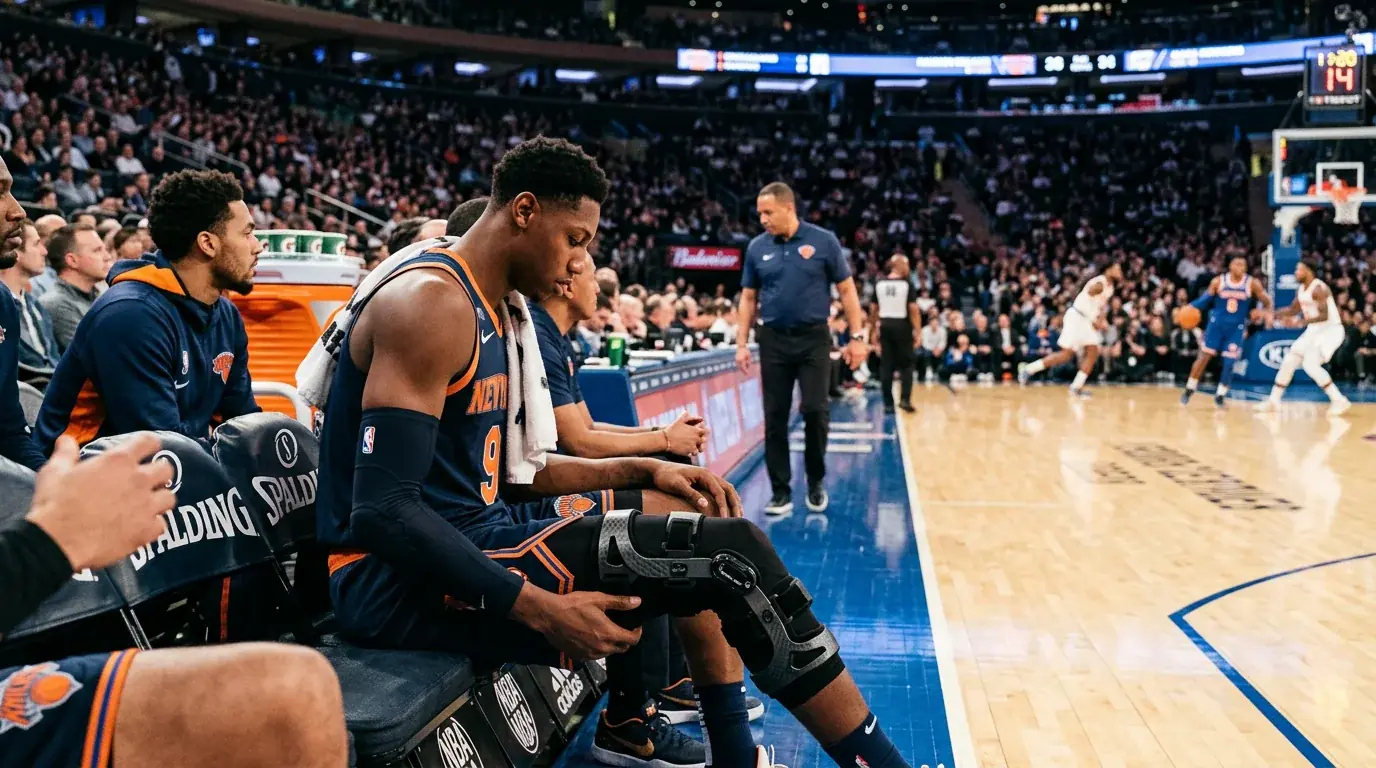
November 2024 taught me more about injury-driven value than any textbook ever could. A Western Conference contender lost its starting point guard to a sprained ankle 90 minutes before tip-off. The spread moved two full points in 20 minutes. But the backup point guard had been running the second unit at an elite level all month, and the team’s offence actually improved with more ball movement. I took the adjusted line, the team covered comfortably, and the lesson stuck: the market’s reaction to injury news is often larger than the injury’s actual impact on the game.
Explore nba betting online for NBA betting fundamentals.
How Bookmakers Adjust Lines for NBA Injuries
When a significant player is ruled out, the bookmaker recalculates the line using a model that estimates the player’s marginal value — how many points per game their presence adds to the team’s expected margin of victory. Star players carry values of 3-6 points depending on the metric used. Role players typically contribute 0.5-2 points. The spread adjusts accordingly, and the total often moves as well if the absent player is central to the team’s offensive or defensive identity.
The adjustment is fast but imperfect. Bookmakers rely on historical data and generalised models that estimate a player’s impact based on their season-long statistics. What those models underweight is context: how the replacement player has been performing recently, whether the coaching staff has a specific game plan for the absence, and how the opponent matches up against the adjusted rotation. The NBA ecosystem is worth $13.92 billion in 2026, and the speed at which injury information travels — through official league injury reports, social media, and beat reporters — means the line moves within minutes. The analytical nuance that determines whether the move was correct takes longer to surface.
The Injury Report Hierarchy and What It Signals
NBA teams are required to submit injury reports that classify players by status: out, doubtful, questionable, probable, or available. Each status carries different implications for betting.
“Out” is definitive — the player isn’t playing. The line has already adjusted, and the value question is whether the adjustment was the right size. “Doubtful” means the player is expected to miss the game, and the line partially reflects this — but if the player is upgraded to available close to tip-off, the line snaps back and anyone who bet the adjusted number catches value. “Questionable” is the most interesting status for bettors. It means roughly 50/50, and the bookmaker typically sets a line that splits the difference between the “with player” and “without player” numbers. If you have a strong view on which way the decision will break — based on the type of injury, the player’s recent minutes load, and the team’s upcoming schedule — the questionable designation creates an opportunity.
“Probable” and “available” rarely affect lines meaningfully. The player is expected to suit up, and the market prices accordingly. The exception is when a player listed as probable is clearly playing through an injury — limited in practice, wearing a brace, visibly compromised in warm-ups. In those cases, the player might start but play fewer minutes or operate at reduced efficiency. The line doesn’t account for that degradation because the official status says “available.”
Cascading Effects: When One Injury Reshapes the Entire Rotation
A star player’s absence doesn’t just remove their production — it redistributes minutes, touches, and defensive assignments across the remaining roster. These cascading effects are where the sharpest edges live, and they’re the hardest for bookmakers to model accurately.
When a primary ball-handler misses a game, the secondary ball-handler absorbs those minutes. That player’s usage rate spikes, which can boost their counting stats but also increase their turnover rate. The third-string point guard, now the backup, enters earlier and faces matchups he wouldn’t normally see. Every player on the team shifts one slot up the depth chart, and each shift carries its own efficiency change.
The player prop market is where these cascading effects create the most exploitable mispricing. The absent star’s props are removed, but the remaining players’ props are often slow to adjust. A wing player who averages 14 points per game but has averaged 21 when the star sits out over the past two seasons might see his line set at 15.5 rather than the 19-20 it should be. That lag between the injury announcement and the prop adjustment is the window I target most aggressively.
Wang et al.’s research found that 19% of 2,295 NBA games were within 10 points entering the fourth quarter. In games where a star player is absent, that percentage shifts because the talent gap either widens or narrows depending on which team is affected. Close games become slightly more common when both teams are near full strength, and blowouts become slightly more common when one team is missing a key player. That distributional shift affects totals and spread outcomes in ways that single-number adjustments don’t capture.
Timing Your Bets Around NBA Injury Windows
The NBA injury report timeline creates specific windows for UK bettors. Teams submit their injury reports by 5 PM Eastern Time on the day before the game — roughly 10 PM UK time. Updated reports come at 1 PM Eastern on game day — around 6 PM UK time. The final status updates arrive 60-90 minutes before tip-off, which is typically 9:30-10 PM UK time for the early games.
Factor in rest days with our NBA schedule and rest advantage guide.
The 6 PM UK update is my primary action window. By then, most questionable players have been upgraded or downgraded, and the line has moved to reflect the new information. But the line doesn’t always move far enough or fast enough, especially at UK sportsbooks that lag behind the sharper US-facing markets. Comparing the line at your UK operator against the consensus line from US sportsbooks reveals whether your operator has fully absorbed the injury news. A discrepancy of half a point or more is worth acting on.
If you’re building a research routine that incorporates injury tracking alongside schedule analysis and matchup data, the schedule and rest advantage guide covers how fatigue and travel compound the impact of injuries in ways that create some of the strongest situational edges in NBA betting.
How much do NBA lines move when a star player is ruled out?
The spread typically moves 2-5 points depending on the player’s calibre and replacement quality. An MVP-level player’s absence might move the line 4-6 points, while a solid starter’s absence usually moves it 1.5-3 points. The total also adjusts if the absent player significantly affects the team’s pace or scoring output.
Where can I find the NBA injury report?
The official NBA website publishes the injury report, with updates at 5 PM Eastern the day before each game and 1 PM Eastern on game day. Beat reporters on social media often share status updates even earlier. UK bettors checking at 6 PM UK time on game day typically have the most complete picture before the main evening betting wave.
Written by the editors at nba Betting Online.