NBA Home-Court Advantage: What It’s Worth in Points and Pounds
 Available in US
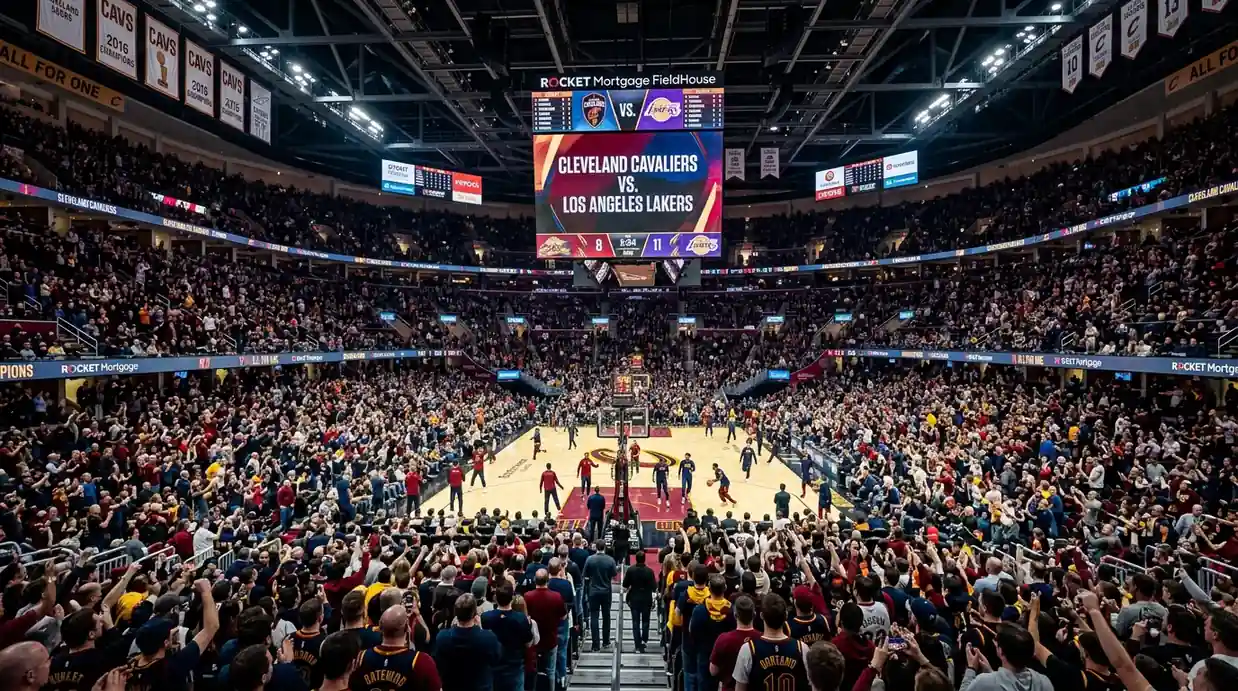
The first time I visited an NBA arena — a loud, sold-out December game in the Eastern Conference — I understood something that no spreadsheet had conveyed. The noise was physical. It wasn’t just loud; it disrupted communication between opposing players, influenced referee positioning, and visibly rattled a visiting guard who’d been automatic from three all season. He shot 1-for-7 from deep that night. Home-court advantage in the NBA is quantifiable, but the quantification only tells part of the story. The atmosphere, the travel schedule, the familiar rims, the crowd’s reaction to a momentum shift — all of it compounds into an effect that moves games by 3-4 points on average. That’s the margin most spreads are built around.
See also: nba betting online for all NBA betting factors.
Measuring Home-Court Advantage Across the League
The league-wide home-court advantage has averaged roughly 3 points over the past decade, and home teams win approximately 57-58% of regular-season games. But that average masks enormous variation between teams. Some franchises with notoriously loud arenas and passionate fanbases consistently outperform the league baseline at home — their advantage sits closer to 4.5-5 points. Others, particularly teams with smaller fanbases or arenas that rarely sell out, post home advantages below 2 points.
The data splits further by game context. Home advantage is strongest in the first quarter, when the crowd is at full energy and the visiting team is still adjusting to the environment. It weakens through the second and third quarters as the game settles into its rhythm, then spikes again in the fourth quarter of close games, when crowd noise disrupts late-game execution. García et al.’s research showing shooting efficiency decline with an effect size of -1.27 from Q1 to Q4 partially captures this — visiting teams feel the fatigue-plus-crowd effect more acutely as the game progresses.
Altitude is a specific and measurable home-court factor. Denver’s arena sits at 5,280 feet, and visiting teams — particularly those coming from sea-level cities — show reduced fourth-quarter efficiency in Denver. The effect is small but consistent: roughly 1-1.5 additional points of home advantage beyond the league average. Salt Lake City’s elevation (4,226 feet) produces a similar but slightly smaller effect.
Home-Court Advantage in the Spread Market
Bookmakers bake approximately 3 points of home-court advantage into every NBA spread. A matchup between equally rated teams at a neutral site would be a pick ’em, but when one team is at home, the spread opens at -3 for the home side. That 3-point adjustment is a starting point, not a fixed value, and the bookmaker adjusts from there based on the specific matchup.
The value question is whether the bookmaker’s home-court adjustment matches reality for the specific teams involved. If a team’s actual home advantage is 4.5 points but the bookmaker is using the league-average 3 points as the baseline, the spread is 1.5 points too generous for the visiting team. Conversely, teams with below-average home advantages are slightly overvalued at home because the market’s baseline assumption exceeds their actual edge.
I maintain a running calculation of each team’s true home-court advantage based on their home-versus-away net rating over the most recent 40-game sample. When my number diverges from the bookmaker’s implied home-court adjustment by more than 1 point, I have a potential edge. It doesn’t fire for every game, but it fires often enough — roughly 15-20% of the schedule — to be a useful input in my overall process.
The NBA attracted 170 million US viewers in the 2025-26 season, a 24-year high, and that viewership drives ticket demand. Higher attendance means louder arenas, which feeds back into a stronger home-court effect for teams in major markets. The relationship between viewership, attendance, and on-court home advantage is circular, and it’s been strengthening since the league’s $77 billion media rights deal with Disney, NBC, and Amazon expanded broadcast coverage.
When Home-Court Advantage Shrinks
Not all home games are created equal. Several specific situations reduce the home-court edge, and recognising them prevents you from overvaluing the home team in these spots.
Back-to-backs at home. A team playing its second game in two nights at home retains the crowd advantage but loses the rest advantage. The net effect is a reduced home-court edge — roughly 1.5-2 points instead of 3. The market accounts for this through the schedule adjustment, but not always precisely.
Early-season games in October and November draw smaller crowds and less intense atmospheres than mid-season and late-season games. The home-court advantage is measurably weaker in the first 20 games of the season compared to the final 20. If you’re backing home teams on the spread, the late-season window offers a structurally stronger home edge.
Losing streaks at home erode the crowd’s energy. A team that’s dropped three straight home games faces a less engaged audience, fewer sell-outs, and occasionally vocal frustration from fans. The atmosphere shifts from supportive to tense, which can negatively affect the home team rather than the visitors. I’m cautious about home-court edges when the team has lost its last two or more games at home.
Combine home court data with NBA momentum and streaks analysis.
Applying Home-Court Data to Your Betting Process
Home-court advantage is one input, not a strategy. It modifies your spread analysis rather than driving it. My process: calculate the fair spread based on team strength ratings, add my team-specific home-court adjustment, then compare to the bookmaker’s line. If the discrepancy is driven primarily by the home-court factor — meaning my team ratings agree with the market but my home-court number doesn’t — I have a targeted, specific edge rather than a general disagreement with the market.
For UK bettors, the timing element is worth noting. NBA games tip off between 11 PM and 3:30 AM UK time. The home-court atmosphere is at its peak for weekend primetime games (1 AM-2 AM UK time on Saturday and Sunday nights) and lowest for weeknight games that start late even by US standards. If you’re selective about which home-court edges to act on, weekend primetime games are the spot where the atmospheric component is most reliable.
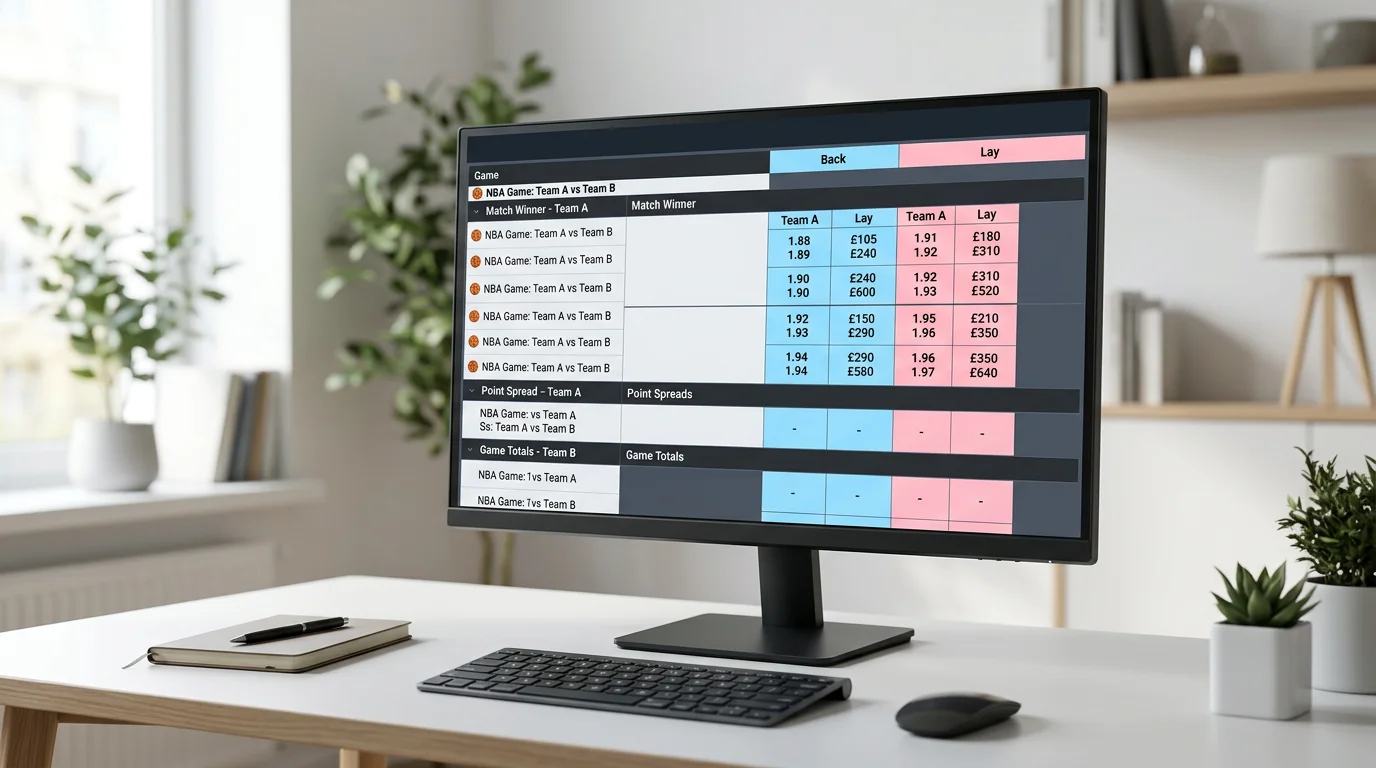
Home-court analysis integrates naturally with handicap and spread betting, where the home-court adjustment is literally embedded in the number you’re betting against. Understanding whether that embedded number is too high or too low is a direct path to value.
How many points is NBA home-court advantage worth?
The league-wide average is approximately 3 points, but individual teams vary from 1.5 to 5 points depending on arena atmosphere, altitude, and fanbase engagement. Bookmakers use roughly 3 points as their baseline adjustment, which creates value when specific teams’ actual advantages diverge significantly from that baseline.
Is NBA home-court advantage stronger in the playoffs?
Home-court advantage in the playoffs is more variable than in the regular season. Elite home teams with loud arenas and strong fanbases see their advantage amplify because every playoff game is sold out and the crowd intensity is at its peak. However, the overall playoff home-court win percentage is slightly lower than the regular season because the quality gap between playoff opponents is smaller.
Created by the ”nba Betting Online” editorial team.