NBA First Basket Scorer Betting: Finding Value in the Opening Tip
 Available in US
Three years ago I started tracking first basket scorers across every NBA game I watched. Not because I had a system — I didn’t — but because I noticed something that bothered me about the market: the prices rarely reflected what actually happened after the opening tip. Popular stars were underpriced relative to their true probability, while certain role players in specific offensive sets were dramatically overpriced. That tracking exercise turned into one of my most consistent side markets, and the edge has held up across multiple seasons because most punters still treat first basket bets as a coin flip with a famous name attached.
See also: nba betting online for more NBA markets.
How First Basket Scorer Markets Work at UK Sportsbooks
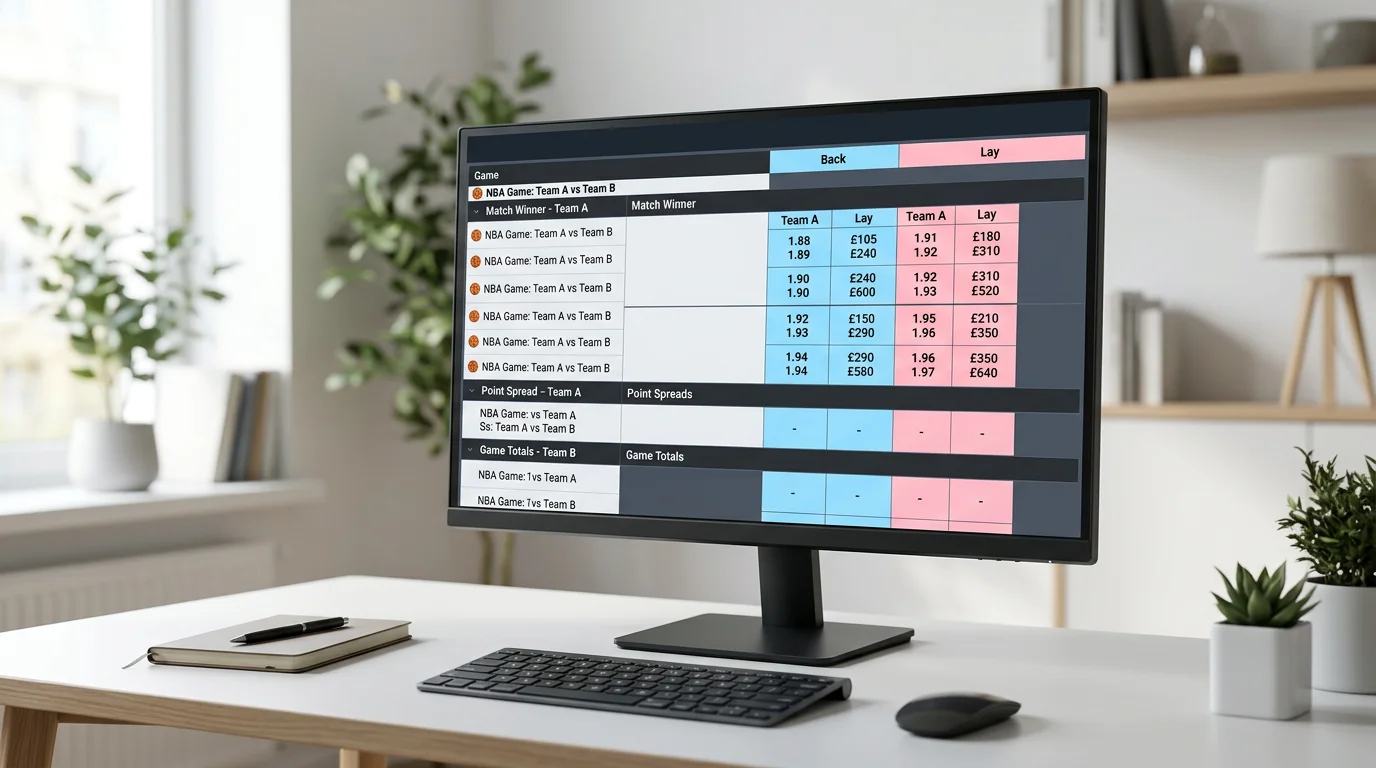
The market is simple on the surface. You pick which player will score the first points of the game. The first made basket — whether a two-pointer, three-pointer, or free throws from an early foul — determines the winner. If your player scores first, you collect. If anyone else does, you lose. Most UK sportsbooks list every expected starter plus a handful of prominent bench players, each with their own price.
Prices typically range from 5/1 for the most likely scorers up to 25/1 or longer for reserves. The favourite is usually the primary scorer on the team that wins the opening tip, but the bookmaker’s model doesn’t always account for the specific plays teams run out of their first possession. That’s where the analysis begins. The NBA ecosystem generates $13.92 billion in value in 2026, and first basket scorer markets — though a fraction of the total handle — attract enough volume to keep UK operators listing them for every televised game.
One detail that catches beginners: the market usually includes “any other player” as a catch-all option for players not individually listed. This covers deep bench reserves who might enter the game early due to a last-minute injury. The odds on “any other” are long, but when a surprise lineup change happens, those tickets pay handsomely. I check team injury reports 30 minutes before tip-off specifically to see if a listed player has been ruled out, which occasionally creates a situation where the opening scorer isn’t even on the board.
Tip-Off Tendencies and Opening Possession Plays
Here’s where casual punters and sharp ones diverge completely. Most bettors pick a first basket scorer based on who scores the most points per game overall. That’s a terrible proxy. What you actually need to know is who gets the ball on the first possession after the opening tip, and what the team runs with that first touch.
Teams vary enormously in their opening-possession tendencies. Some coaches script the first play of the game — a designed set that targets a specific player. Others let the point guard freelance. I’ve catalogued these patterns for all 30 NBA teams across the past two seasons, and the consistency is remarkable. Certain teams feed their centre on the opening possession roughly 60% of the time, while others spread the first touch across three or four options with near-equal frequency.
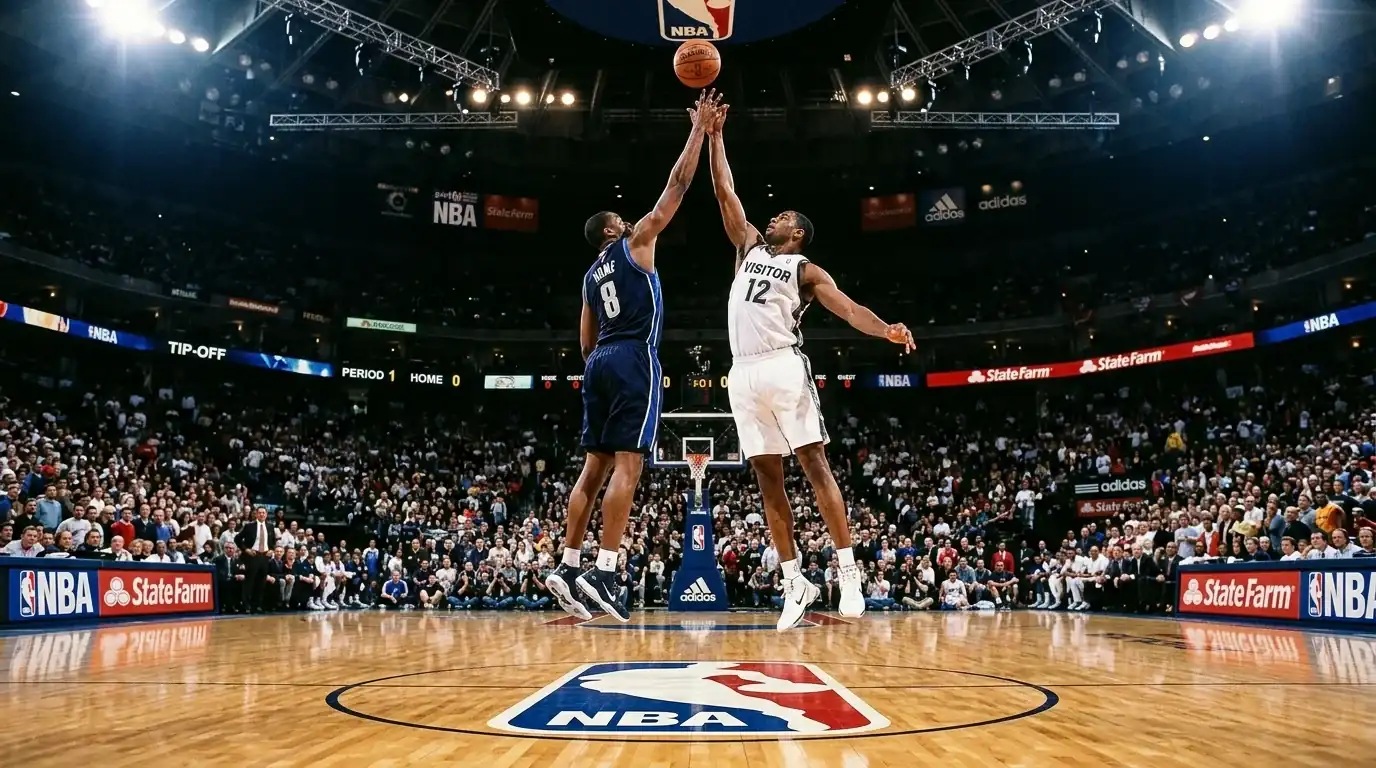
The tip-off itself matters. Taller centres win the tip more often, and the team that wins the tip gets the first offensive possession. The NBA publishes tip-off statistics, and while the winning percentage for individual centres hovers around 55-70%, that’s enough to tilt the probability meaningfully. If one team’s centre wins the tip 68% of the time and that team runs a scripted post-up on the opening play, the centre on the receiving end of that play has a higher true probability of scoring first than his listed price usually reflects.
Travel and fatigue also factor in. Teams on the second night of a back-to-back sometimes start sluggishly, with their first possession ending in a contested jumper rather than an efficient set play. The rested team, conversely, tends to execute their opening set more crisply. That dynamic doesn’t show up in season-long scoring averages, but it shows up in first basket data if you track it.
Building a Selection Process for First Scorer Bets
My process starts with the tip-off. I check which centre is likely to win the tip based on height matchup and season-long tip-off winning percentage. Then I look at the team that wins the tip and review their first-possession play tendencies from the last 15-20 games. If they’ve fed the same player on the opening possession in 10 of those games, and that player has converted at a rate above 50%, I have a candidate.
Next I check the price. If the sportsbook has that player at 7/1 and my model gives him an implied probability above 15%, the value is there. If the listed price already reflects the true probability, I move on. The beauty of first basket markets is that they’re priced less efficiently than main game lines because the sample size the bookmaker uses to set the odds is smaller and the market draws less sharp attention. Basketball generates 15-18% of global bookmaker activity, but first basket markets represent a tiny sliver of that handle, which means less competitive pricing.
I also keep an eye on game-time decisions. A starter listed as questionable who gets confirmed 45 minutes before tip-off might not be fully integrated into the opening-play script. Some coaches adjust their first-possession sets when a key player is playing through a minor injury — running the play away from the injured player to ease him into the game. That adjustment is invisible to anyone not watching closely, and it shifts the first-basket probabilities in ways the sportsbook hasn’t priced.
Combine first scorer picks into an NBA same game parlay for bigger returns.
When the First Basket Market Pays for Patience
First basket scorer bets are high-variance by nature. You’re betting on a single event at the very start of the game, and the outcome is determined within the first 30-60 seconds. But variance is only a problem if your underlying selection process is flawed. Over a sample of 200 bets, a consistent 2-3% edge on first basket markets produces a meaningful return — not because any individual bet is likely to win, but because the probabilities compound in your favour over time.
I allocate a small, fixed portion of my bankroll to first basket bets — never more than 0.5% per selection. The returns come in lumps: long dry spells followed by a cluster of winners at 7/1 or 9/1 that more than compensate. The discipline required is knowing that nine straight losses at 8/1 are not evidence that the approach is broken, provided the selection process remains sound. If you enjoy the analytical side of NBA player prop markets, first basket betting is a natural extension — it’s prop betting compressed into a single possession.
What counts as the first basket in NBA first scorer bets?
The first basket is the first made shot or converted free throw of the game. It can be a two-point field goal, a three-pointer, or a free throw resulting from an early foul. The player who scores that first point wins the market. If the first points come from free throws, the player shooting wins regardless of whether they make one or both.
How do I find NBA first basket scorer odds at UK sportsbooks?
Navigate to the NBA section, select the game you’re interested in, and look for a tab labelled ‘first scorer’ or ‘first basket.’ Most major UK-licensed operators list this market for televised games and all playoff fixtures. Odds are typically available from the morning of the game, with lines becoming firmer closer to tip-off.
Published by the nba Betting Online team.